
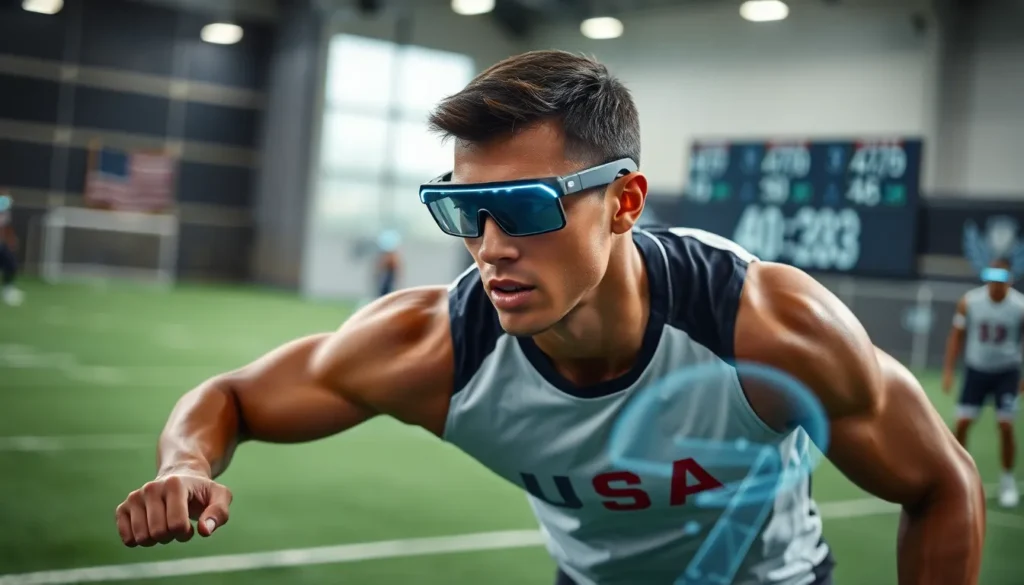

Imagine stepping onto the field and instantly being greeted by a virtual coach who knows your every move. Welcome to the world of AR sports enhancements, where athletes can elevate their game while having a bit of fun. From tracking performance metrics in real-time to providing immersive training experiences, augmented reality is revolutionizing how sports are played and practiced.
Gone are the days of boring drills and guesswork. Now, athletes can compete against holographic opponents or receive instant feedback through smart glasses. It’s like having a personal cheerleader who also moonlights as a tech guru. As AR continues to break barriers in the sports arena, the question isn’t whether to embrace it, but how quickly can one get in the game? Get ready to explore the exciting ways AR is transforming the sports landscape and making every play a bit more thrilling.
Understanding AR Sports Enhancements
Augmented reality (AR) sports enhancements create immersive training experiences. Athletes engage with digital elements during practices. Holographic opponents challenge players in real-time scenarios, simulating game conditions without the need for a physical rival. Real-time feedback displayed through smart glasses guides improvement, allowing athletes to visualize their movements instantly.
Performance metrics become accessible, showing details that help optimize training sessions. For instance, trainers can analyze an athlete’s speed and accuracy through AR visualizations. Techniques such as this enable elite athletes to enhance skills efficiently.
Gamification elevates motivation. Athletes may participate in AR-driven competitions to encourage engagement and develop forms of healthy competition. Metrics are not just numbers; they signify growth and readiness for actual matches. AR can also foster teamwork through collaborative training methods that integrate multiple users.
Coaches gain insights from AR analytics, developing tailored training regimens. Strategies become data-driven, allowing for focused improvements. As athletes adopt AR technology, they experience more effective drills that hold their interest.
Accessibility of AR tools also improves injury rehabilitation. Guided exercises using AR overlays demonstrate proper form, reducing the risk of re-injury. Innovations like these promote longevity in athletes’ careers, as recovery becomes more productive.
Integrating AR into sports establishes a new standard for training and performance enhancement. Athletic institutions invest in AR solutions to stay competitive. This fusion of technology and sport signifies an evolution, ensuring that athletes can maximize their potential with every session.
Benefits of AR Sports Enhancements
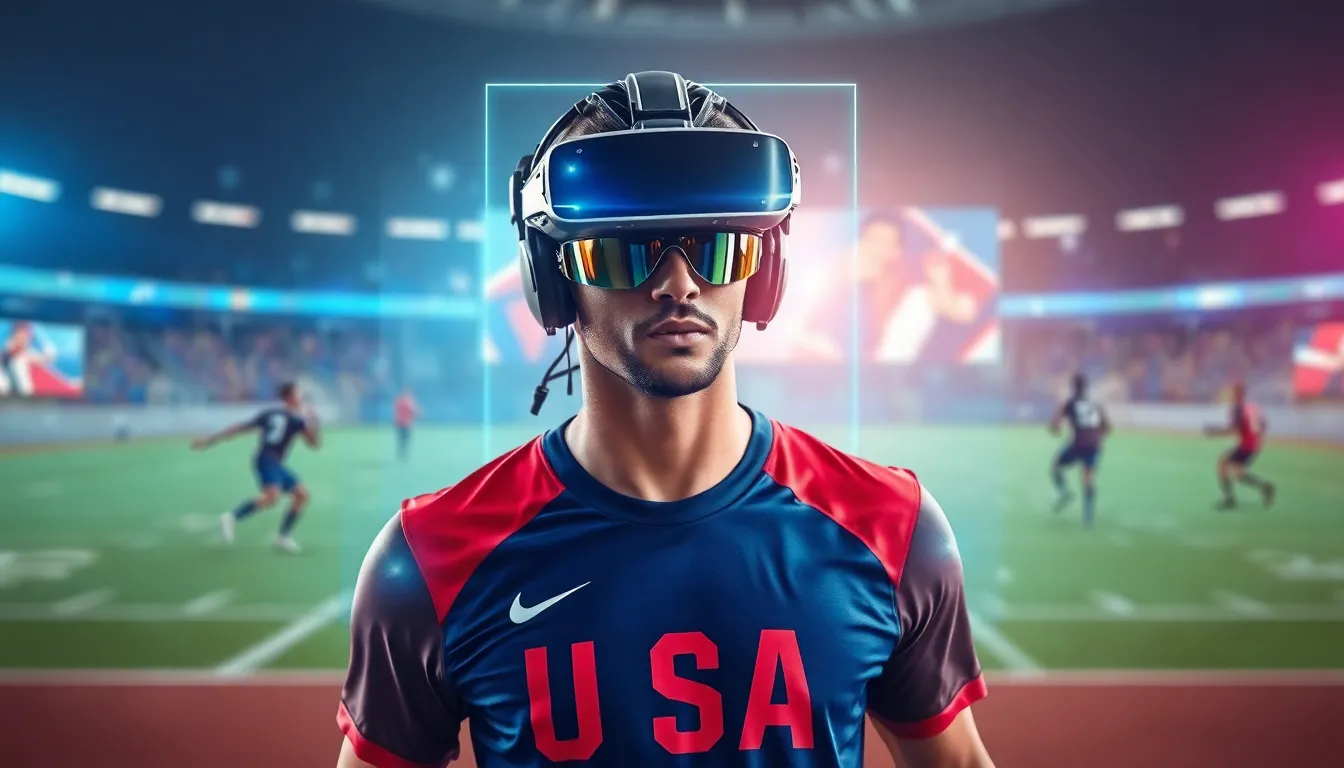
Augmented reality significantly transforms sports training and performance. This technology enhances user engagement and improves performance analysis to maximize athletic potential.
Enhanced User Engagement
AR immerses athletes in dynamic training environments. Practicing against holographic opponents fosters excitement and maintains focus. Personalized challenges keep athletes motivated, while gamified elements add a competitive edge. Athletes experience real-time feedback that reinforces learning and skill development. By interacting with digital elements, they find training sessions enjoyable and impactful. Successful training regimens become possible as athletes stay engaged and push their limits. Increased engagement helps athletes refine techniques and strengthens their overall game.
Improved Performance Analysis
AR tools revolutionize performance analysis in sports. Coaches and athletes access real-time data during training sessions. Instant feedback on movements enables athletes to make necessary adjustments promptly. Performance metrics generated by AR provide insights into strengths and weaknesses. Tailored training regimens result from analyzing these metrics, allowing coaches to focus on specific areas for improvement. Visual representations of data clarify athletes’ progress over time. Enhanced performance analysis empowers athletes to elevate their skills and achieves more refined athletic outcomes.
Popular AR Sports Enhancements
AR technology significantly enhances the sports experience. Various applications contribute to improved performance, training, and user engagement.
Virtual Coaching
Virtual coaching leverages AR to provide immediate feedback from expert trainers. Coaches can analyze gameplay in real-time, delivering input that athletes can apply instantaneously. Holographic images serve as visual aids during training sessions, allowing athletes to grasp techniques with precision. Notably, remote coaching options allow trainers to work with athletes from anywhere, expanding access to professional guidance. Additionally, this method encourages athletes to embrace new strategies by visualizing movements tailored for their specific needs.
Interactive Training Tools
Interactive training tools transform traditional drills into dynamic experiences. These AR applications incorporate gamified elements, making practice sessions more engaging. Athletes interact with holographic opponents, pushing their performance capabilities in real-time scenarios. Performance metrics derived from AR tools guide adjustments, fine-tuning techniques more effectively. Furthermore, these interactive tools create a competitive environment, encouraging athletes to improve and maintain motivation. The ability to customize challenges caters to individual skill levels, enhancing overall training effectiveness while fostering a sense of excitement.
Challenges and Limitations
Adoption of AR in sports faces various challenges and limitations. Technical constraints might hinder widespread use. Hardware requirements for high-quality AR experiences often demand significant investment. Many existing devices lack the processing power needed for seamless integration. Connectivity issues can disrupt real-time data transmission during training sessions. These factors may limit effectiveness and accessibility for all athletes.
User acceptance also presents a challenge. Some athletes may resist transitioning to AR-enhanced training methods. Familiarity with traditional practices can create reluctance. Perception of augmented systems as distractions rather than tools for improvement complicates this acceptance. Ensuring user-friendly interfaces is crucial, as complex systems risk alienating potential users. Addressing these concerns will play a vital role in the successful integration of AR into sports training.
Future Trends in AR Sports Enhancements
Emerging trends in AR sports enhancements indicate a growing integration of artificial intelligence. AI-driven analytics will personalize training regimens, adapting in real-time to an athlete’s performance. Adaptive learning systems will anticipate needs, allowing athletes to refine skills based on data insights.
Increased collaboration with biomechanical sensors enhances training experiences. These sensors track movements and provide immediate feedback, ensuring precise corrections. Enhanced accuracy in real-time data will promote injury prevention and improve recovery processes.
Furthermore, the rise of social AR experiences will reshape training environments. Athletes may train alongside virtual peers, creating a more engaging atmosphere that fosters teamwork. Increased social interaction during workouts encourages camaraderie and a healthy competitive spirit.
New developments in hardware, such as lightweight smart glasses, will support seamless integration into training sessions. These devices will provide unobtrusive access to holographic displays and analytical tools. Enhanced connectivity options will facilitate data sharing among athletes and coaches, promoting collaborative growth.
Additionally, hybrid training models leveraging both AR and virtual reality will become more common. These models will offer comprehensive training experiences, combining physical exertion with virtual scenarios. Greater immersion in training sessions will elevate skill development and athletic readiness.
Finally, partnerships between tech companies and athletic organizations are expected to flourish. These collaborations will drive innovation, leading to cutting-edge AR applications tailored for specific sports disciplines. Increased investment in AR technologies indicates a commitment to advancing athletic training methodologies.
The integration of augmented reality into sports is undeniably reshaping how athletes train and perform. With its ability to create immersive experiences and provide real-time feedback, AR is setting a new standard for athletic development. As technology continues to evolve, the potential for personalized training and enhanced engagement grows, promising exciting advancements in the world of sports.
While challenges exist, such as technical constraints and user acceptance, addressing these issues will be crucial for widespread adoption. The future looks bright as partnerships between tech companies and athletic organizations pave the way for innovative AR applications. Athletes who embrace these enhancements are likely to gain a competitive edge, pushing the boundaries of their performance and redefining what’s possible in sports training.


