
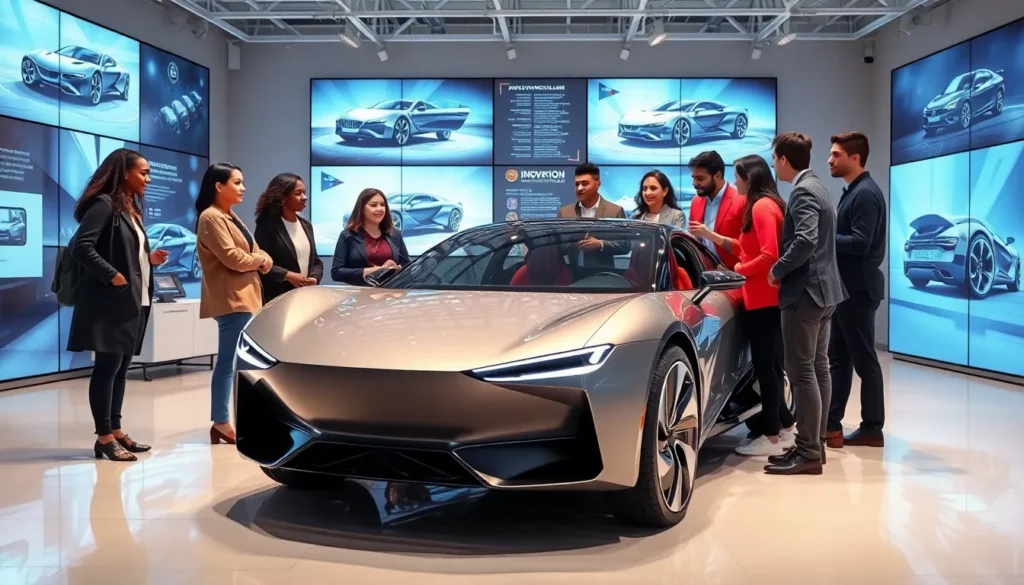

In a world where innovation drives the future, automotive startups are revving up the engines of change. Forget the old guard; these fresh contenders are shifting gears, bringing new ideas and technologies that make traditional car manufacturers look like they’re still stuck in first gear. From electric vehicles that can outpace a cheetah to self-driving cars that make you feel like you’re living in a sci-fi movie, the race is on, and it’s getting exciting.
These startups aren’t just about flashy designs and high-tech gadgets. They’re tackling real-world problems like sustainability and urban congestion, all while keeping a sense of humor about it. So buckle up as we explore the wild, wacky, and downright revolutionary world of automotive startups, where the only limit is the sky—or maybe just the next round of funding.
Overview of Automotive Startups
Automotive startups shape the future of transportation through innovations such as electric vehicles and autonomous driving technologies. These companies leverage creative solutions to address pressing global challenges, including sustainability and urban congestion. By prioritizing eco-friendly alternatives, startups attract significant investment and consumer interest.
Investment in automotive startups has surged, with billions of dollars allocated to new companies focused on redefining mobility. Many emerging brands explore various niches, ranging from fully electric systems to advanced driver-assistance technologies. Collaboration with tech firms enhances their capabilities, integrating software solutions that improve functionality and safety.
Growth in this sector catalyzes job creation and industry shifts, as traditional automakers adapt to new market realities. Startups often prioritize direct-to-consumer sales models, bypassing conventional dealership networks. Such strategies allow for more personalized customer experiences and streamlined transactions.
Challenges persist within the startup landscape, notably in regulatory compliance and supply chain logistics. Many new entrants face fierce competition from established manufacturers and other startups, necessitating unique value propositions. Despite obstacles, the pace of innovation remains rapid; partnerships and acquisitions help startups scale effectively.
As consumers increasingly embrace new technologies, automotive startups redefine the relationship between vehicles and their users. Enhanced connectivity features and better battery technology drive excitement in the market. Enthusiasm for fresh concepts encourages continuous exploration in areas like shared mobility and urban air mobility, suggesting a vibrant future for automotive startups.
Key Trends in Automotive Startups
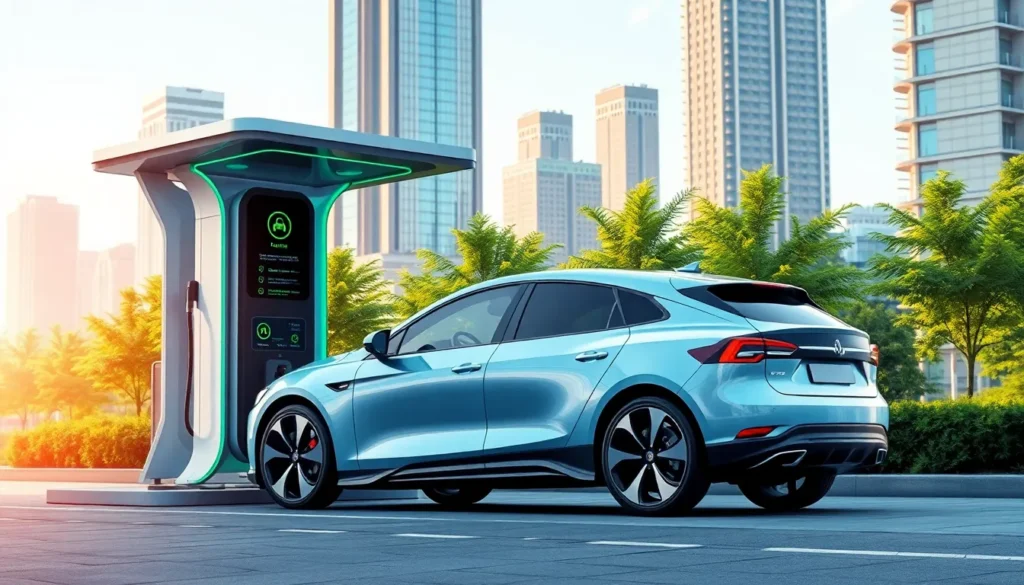
Innovative changes in the automotive sector drive the emergence of various trends. The focus on electric vehicles, advancements in autonomous driving technology, and software innovations significantly impacts the industry landscape.
Electric Vehicles
Electric vehicle technology disrupts traditional automotive paradigms. Startups emphasize sustainable alternatives, utilizing cutting-edge battery technology to enhance range and efficiency. Companies like Rivian and Lucid Motors showcase strong performance in electrification, capturing significant investor interest. By prioritizing sustainability, these startups attract environmentally conscious consumers and investors, leading to increased market demand. Adoption rates for electric vehicles continue to rise, demonstrating the effectiveness of innovative charging solutions and enhanced infrastructure.
Autonomous Driving Technology
Autonomous driving technology evolves rapidly within the startup ecosystem. Companies leverage artificial intelligence and machine learning to develop advanced driver-assistance systems ensuring safety and reliability. Startups like Waymo and Cruise lead the charge, pushing boundaries in autonomous vehicle deployment. Partnerships with established automakers and tech firms enhance development efforts, fueling advancements in vehicle automation. As regulatory frameworks adapt to accommodate these technologies, increased investment leads to a more competitive landscape.
Software Innovations
Software innovations play a crucial role in automotive startups, focusing on connectivity and user experience. Integrating apps and cloud-based solutions enhances vehicle functionality and personalization, driving consumer engagement. Startups like Tesla and Nuro prioritize seamless user interfaces, connecting drivers with smart tech features. Data analytics empowers startups to refine products based on user feedback, leading to continuous improvement. Collaborations with tech specialists further enhance software capabilities, fostering a more comprehensive approach to modern mobility challenges.
Challenges Faced by Automotive Startups
Automotive startups encounter various substantial challenges as they strive to innovate and disrupt the traditional automotive landscape.
Funding and Investment
Securing funding presents a primary obstacle for startups. Many rely on venture capital, grants, and crowdfunding, balancing the need for rapid growth against investor expectations. According to PitchBook, over $42 billion went into automotive technology investments in 2021 alone, reflecting the sector’s appeal. Founders often struggle to meet milestone metrics for future funding rounds, requiring them to demonstrate traction and innovation clearly. Establishing solid business models also greatly influences investor confidence, guiding discussions on potential yield and sustainability.
Regulatory Hurdles
Navigating regulatory frameworks poses a critical challenge for startups. Compliance with safety standards, emissions regulations, and local laws often strains resources. Federal and state regulations in the United States differ significantly, complicating operations for fledgling companies. Startups must prioritize engaging with regulatory bodies early in the development process to mitigate potential roadblocks. Collaborations with established automakers often facilitate understanding and navigating these complex systems effectively, providing startups a pathway to market entry.
Market Competition
Competing in a saturated automotive landscape proves difficult for many startups. Established manufacturers possess market experience, extensive resources, and loyal customer bases. Disruptive startups must carve out unique value propositions, highlighting innovations or sustainable practices to distinguish themselves. According to McKinsey, around 400 electric vehicle startups exist worldwide, indicating high competition in the EV segment alone. Developing strong brand identities and agile business strategies enables startups to adapt trends swiftly and seize market opportunities amidst fierce rivalry.
Success Stories in the Automotive Startup Scene
Rivian leads the charge in electric vehicle innovation. This American startup gained recognition for its R1T pickup truck and R1S SUV, capturing attention with impressive range and unique features, like the innovative “gear tunnel.” Lucid Motors follows closely, known for the Lucid Air sedan, which boasts remarkable performance metrics and luxurious design. Both companies exemplify how startups can effectively challenge established automakers.
Waymo stands at the forefront of autonomous driving technology. The company utilizes sophisticated artificial intelligence to enhance its self-driving systems, setting a benchmark for safety and efficiency in urban environments. Collaborations with various automakers amplify its technological reach, exemplifying a successful integration of tech and transportation.
Cruise, backed by General Motors, showcases another impressive story. Focused on urban mobility, it develops autonomous vehicle solutions for ride-sharing, presenting a forward-thinking model that meets increasing demand for efficient transportation. Its testing phases in cities provide real-world data that drive further advancements.
Nuro takes a unique approach by concentrating on last-mile delivery. Its autonomous delivery vehicles operate on local streets, demonstrating practical applications of self-driving technology beyond personal vehicles. Partnerships with major retailers enhance its service capabilities, making significant impacts on local commerce.
These examples reflect the diverse strategies automotive startups adopt to navigate a rapidly changing landscape. The successes in this sector illustrate a commitment to innovative solutions that prioritize sustainability, efficiency, and user experience. Increased funding and strategic partnerships contribute to the momentum, with billions invested in reshaping the future of transportation.


