


Navigating cancer treatment can be overwhelming, and understanding the financial aspects is crucial for patients and their families. One essential component of chemotherapy is the chemo port, a small device that allows for easier access to veins during treatment. While it significantly improves the comfort and efficiency of administering chemotherapy, many wonder about the costs associated with this medical device.
The average cost of a chemo port varies based on several factors, including the type of port, hospital fees, and insurance coverage. Patients often find themselves faced with unexpected expenses, making it vital to explore the average costs and what influences them. By gaining insight into these financial considerations, individuals can better prepare for their treatment journey and make informed decisions about their care.
Understanding Chemo Ports
Chemo ports play a crucial role in administering chemotherapy. They provide a reliable access point for delivery of medication directly into the bloodstream.
What Is a Chemo Port?
A chemo port, also known as an implantable port or vascular access device, is a small medical device surgically placed under the skin. It consists of a reservoir connected to a catheter, providing direct access to a major vein. The port allows healthcare providers to administer chemotherapy drugs and blood products without repeated needle sticks. Port types vary, including single-lumen and dual-lumen options, depending on patient needs.
Why Are Chemo Ports Used?
Chemo ports are used for several reasons:
- Repeated access: They allow for easy access during multiple chemotherapy sessions, reducing vein irritation.
- Long-term solution: Ports can remain in place for extended periods, often for months or years, accommodating long-term treatment plans.
- Reduced trauma: The use of a port minimizes trauma to the veins, decreasing the risk of complications like phlebitis or collapsed veins.
- Patient comfort: Ports lessen the discomfort associated with repeated needle insertion, contributing to a better overall treatment experience.
Understanding the function and purpose of chemo ports aids patients and their families in navigating treatment options effectively.
Average Cost of Chemo Port
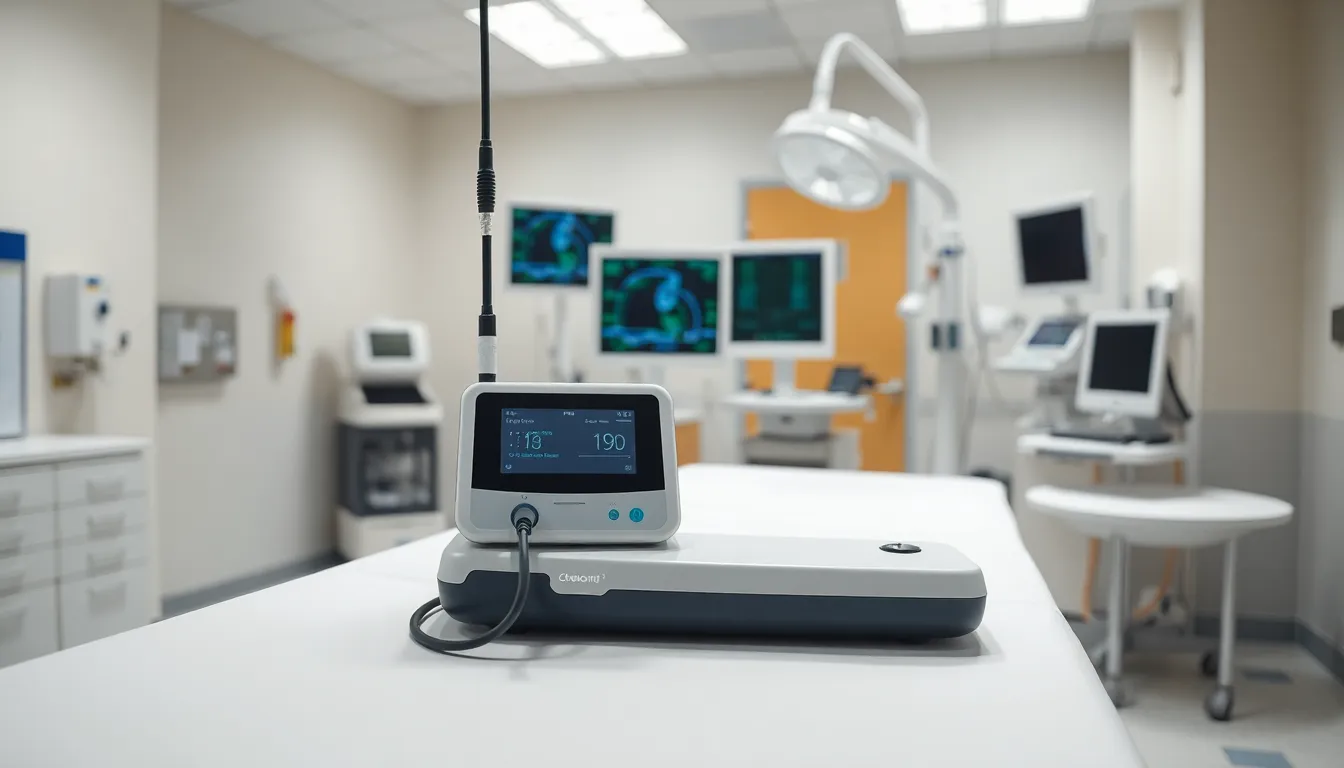
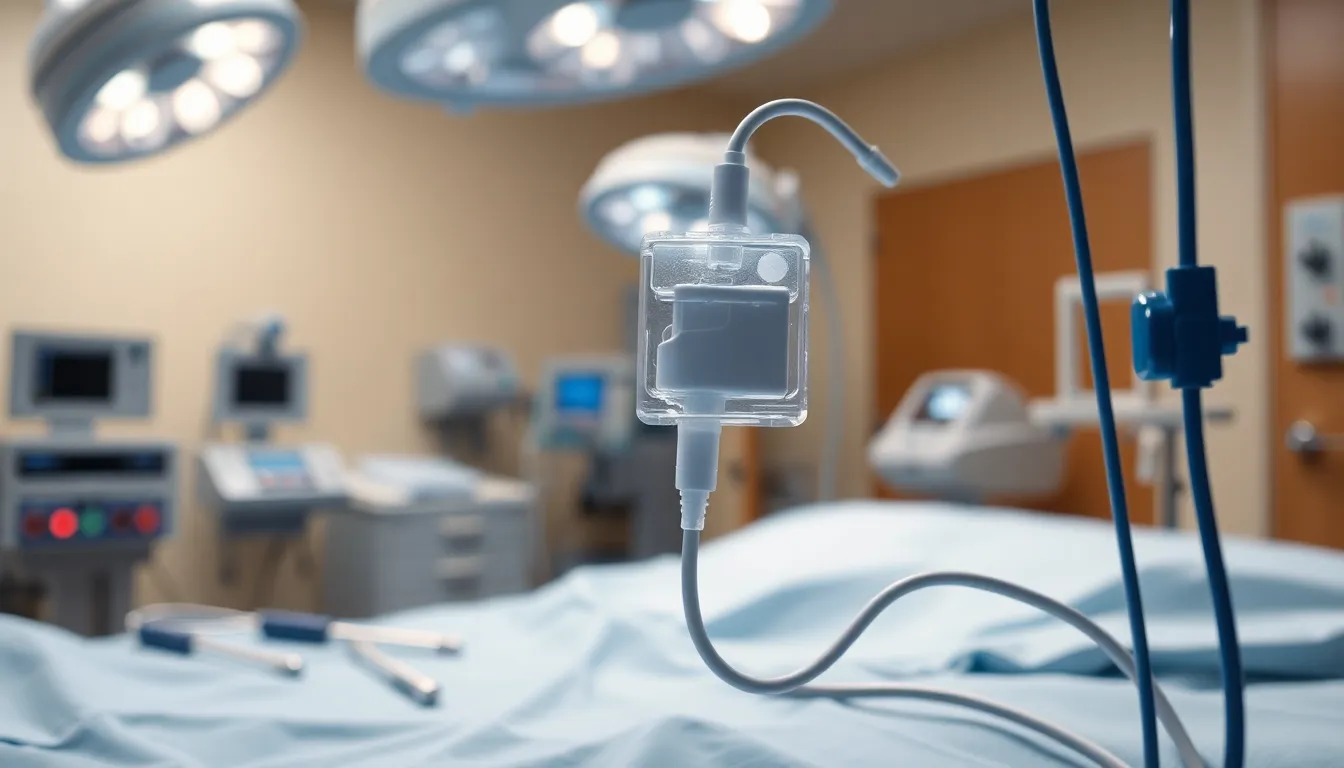
The average cost of a chemo port varies widely based on several factors, including the specific type of port, hospital fees, and individual insurance coverage. Understanding these costs helps patients and families plan effectively for cancer treatment.
Factors Influencing the Cost
- Type of Port: Different types of chemo ports exist, including implanted ports and external ports, each with varying upfront costs.
- Surgical Fees: The cost of the surgical procedure to place the port significantly affects the overall expense. Hospital costs vary by location and facility.
- Insurance Coverage: Insurance plans differ in coverage for chemo ports, which can influence out-of-pocket expenses for patients.
- Geographical Location: Healthcare costs can differ by region, impacting the price of chemo ports in different states or cities.
- Additional Procedures: If complications arise requiring additional medical interventions, these expenses may further increase the overall cost.
National Averages and Variations
| Location | Average Cost (USD) |
|---|---|
| Urban Hospitals | $3,000 – $6,000 |
| Rural Hospitals | $2,500 – $5,000 |
| Insurance-covered | $500 – $1,500 (after copays) |
| Out-of-pocket | Up to $7,000 |
National averages show that costs for chemo ports range from $2,500 to $6,000, with urban hospitals typically charging higher amounts than rural facilities. Variation in costs also depends on insurance coverage specifics, influencing total patient expenses.
Insurance Coverage for Chemo Ports
Insurance coverage for chemo ports significantly impacts overall treatment costs. Patients should understand how their policies apply to these medical devices.
What to Expect with Insurance
Patients with health insurance can expect varying coverage for chemo ports. Many plans classify chemo ports as durable medical equipment, which often leads to coverage for a portion of the costs. Insurers may require pre-authorization for the procedure, particularly if it needs to be justified as medically necessary. It’s crucial for patients to confirm specific details with their insurance providers, including coverage percentages and any relevant limitations. Generally, plans may also mandate the use of in-network providers to maximize benefits.
Out-of-Pocket Expenses
Out-of-pocket expenses for patients with insurance tend to range from $500 to $1,500. Factors influencing these costs include deductibles, copayments, and coinsurance. Patients without insurance could face costs upwards of $7,000. Financial assistance programs, hospital charity care options, and payment plans may help alleviate the burden of high expenses. Understanding these financial obligations helps patients make informed choices about their treatment and manage costs effectively.
Alternatives to Chemo Ports
Patients have various alternatives to chemo ports for administering chemotherapy. Exploring these options can help patients choose the method that best fits their needs and circumstances.
Other Delivery Methods
- IV Infusion: Intravenous (IV) infusion delivers chemotherapy directly into the bloodstream through a vein. This method is common and suitable for short-term treatments.
- Oral Chemotherapy: Oral medications allow patients to take treatments in pill form, providing convenience and flexibility without the need for invasive procedures.
- Subcutaneous Injections: Subcutaneous injections are administered under the skin, offering an alternative for some chemotherapy agents. This method can reduce the need for venous access.
- Peripherally Inserted Central Catheters (PICC Lines): PICC lines provide long-term access by inserting a thin tube into a peripheral vein and extending it to a central vein. This method is less invasive than a port.
- Implantable Ports: Implantable ports are devices placed under the skin that allow for repeated access. They are similar to chemo ports but may have different designs or sizes.
Cost Comparisons
| Delivery Method | Average Cost Range (USD) | Notes |
|---|---|---|
| Chemo Port | $2,500 – $6,000 | Costs include surgical fees, post-op care, and follow-ups. |
| IV Infusion | $1,500 – $5,000 | Depends on the duration and complexity of treatment. |
| Oral Chemotherapy | $500 – $3,000 | Varies significantly based on the specific drugs prescribed. |
| Subcutaneous Injections | $300 – $1,200 | Often less expensive due to lower administration costs. |
| PICC Lines | $1,000 – $2,500 | Includes placement and periodic maintenance. |
| Implantable Ports | $3,000 – $7,000 | Considered in some cases for extended treatment. |
Examining these delivery methods and associated costs allows patients to make informed choices about their chemotherapy treatment options.