


In a world increasingly aware of environmental challenges, green tech startups are leading the charge toward sustainable solutions. These innovative companies harness technology to tackle pressing issues like climate change, waste management, and renewable energy. By combining creativity with a commitment to the planet, they’re not just creating products; they’re shaping a greener future.
Investors and consumers alike are drawn to the potential of these startups, recognizing their role in transforming industries and lifestyles. From solar energy advancements to eco-friendly materials, green tech is revolutionizing how society interacts with the environment. As this sector continues to grow, it’s clear that the next wave of innovation will come from those daring enough to think outside the box for a sustainable tomorrow.
Overview of Green Tech Startups
Green tech startups focus on innovative solutions to tackle environmental challenges, including climate change, waste management, and renewable energy. These companies aim for sustainability, utilizing technology to create efficiencies and reduce ecological footprints.
Key Areas of Focus
- Renewable Energy: Startups develop solar, wind, and other renewable technologies to lessen dependency on fossil fuels.
- Waste Management: Innovations in recycling, composting, and waste-to-energy alleviate landfill issues and promote resource recovery.
- Water Conservation: Technologies that optimize water usage in agriculture and urban settings help address the global water crisis.
Market Dynamics
Green tech startups benefit from increased investor interest and consumer demand for sustainable products. In 2021, global investments in clean energy reached $750 billion, indicating robust growth potential. Companies addressing urgent issues often receive support from venture capitalists looking for impactful returns.
Challenges and Opportunities
Green tech startups face several challenges, including regulatory hurdles and competition. Navigating these obstacles while innovating presents unique opportunities for those willing to adapt and pivot. Bold ideas and creative solutions can lead to significant advancements in sustainability practices across industries.
Notable Examples
- Tesla: Pioneering electric vehicles and battery storage solutions contributes significantly to reduced carbon emissions.
- Beyond Meat: Disrupting the food industry with plant-based protein alternatives lowers environmental impact compared to traditional meat production.
- SolarCity: Enhancing solar energy accessibility through innovative financing models encourages widespread adoption of solar technology.
Key Innovations in Green Tech
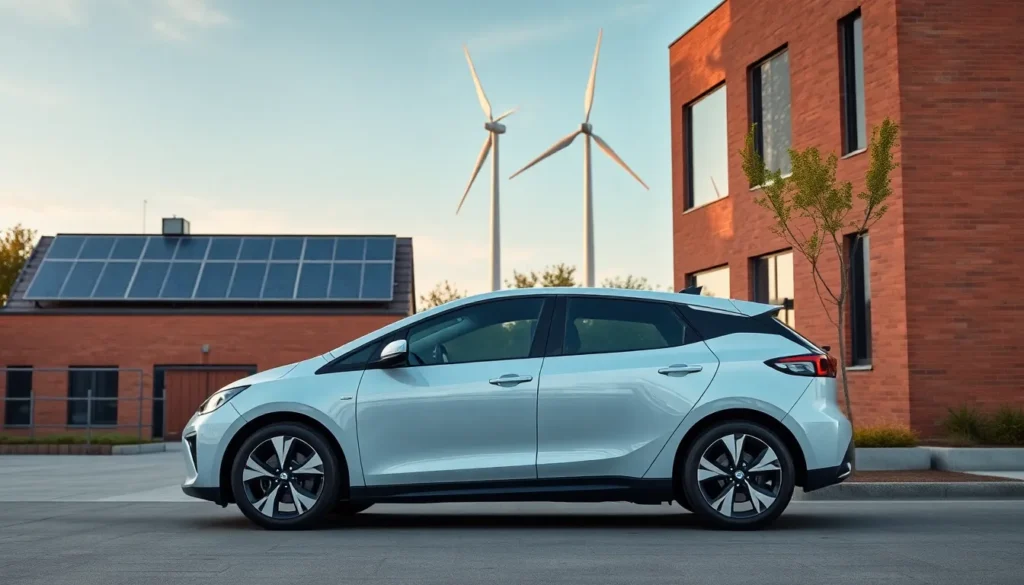
Innovations in green tech are pivotal for addressing environmental challenges. Startups are leading the charge with developments that enhance sustainability across various sectors.
Renewable Energy Solutions
Renewable energy solutions are at the forefront of green tech innovations. Companies are focusing on solar, wind, and geothermal technologies to provide clean energy alternatives. For instance, solar panels have become more efficient with advancements like bifacial designs that capture sunlight from both sides, increasing energy output by up to 27%. Wind turbines now incorporate smart technology for monitoring and optimizing performance, leading to higher energy production rates. Additionally, battery storage systems, such as those developed by Tesla, enable enhanced energy management by storing excess energy for later use, reducing reliance on fossil fuels.
Sustainable Transportation
Sustainable transportation innovations are reshaping how people and goods move. Electric vehicles (EVs) lead this sector, with companies like Rivian and Lucid Motors focusing on increasingly efficient models. EV batteries are evolving, with solid-state options showing promise for greater range and faster charging times. Bike-sharing programs and electric scooters are proliferating in urban areas, promoting eco-friendly travel options. Additionally, advancements in biofuels and hydrogen fuel cells, such as those utilized by companies like Nikola, offer alternatives to gasoline and diesel, further contributing to reduced emissions and cleaner air.
Challenges Faced by Green Tech Startups
Green tech startups encounter several significant challenges in their pursuit of sustainability and innovation. These obstacles can impede growth and affect overall success.
Funding and Investment
Funding remains a crucial challenge for green tech startups. While interest in sustainable solutions has surged, acquiring adequate financing is often difficult. Many investors remain cautious due to perceived risks and long development timelines for green technologies. Startups often rely on venture capital firms, grants, and crowdfunding, but competition for these resources can be intense. Only 10% of startups secure venture capital funding in this sector, which highlights the necessity for compelling business models and strong value propositions to attract investment.
Regulations and Compliance
Regulatory frameworks significantly impact green tech startups. Strict environmental regulations can pose barriers to entry, requiring considerable resources to ensure compliance. Startups must navigate complex local, state, and federal regulations, which can vary widely. For instance, meeting emission standards or permitting requirements may involve lengthy processes that delay product launches. Additionally, changes in political landscapes can lead to shifting regulations, creating uncertainty. Approximately 30% of startup founders cite regulatory hurdles as a primary concern, emphasizing the need for startups to stay informed and adaptable in an evolving legal environment.
Success Stories in the Green Tech Sector
Numerous green tech startups have emerged, demonstrating innovative solutions that improve sustainability and environmental health. These companies exemplify the potential of green technology to create meaningful change.
Notable Green Tech Startups
- Tesla
Tesla leads in electric vehicle production and battery storage solutions. Its achievements in energy efficiency and sustainable transportation have set industry standards.
- Beyond Meat
Beyond Meat revolutionizes the food industry with plant-based meat substitutes, reducing reliance on animal agriculture. Its products significantly lower greenhouse gas emissions compared to traditional meat.
- SolarCity
SolarCity specializes in solar energy solutions, offering affordable solar panels and financing options. This approach has increased residential solar usage across the United States.
- Rivian
Rivian designs electric trucks and SUVs. Their focus on adventure-oriented EVs promotes environmentally friendly travel while competing in the automotive market.
- Lucid Motors
Lucid Motors develops luxury electric vehicles, featuring advanced battery technology and long-range capabilities. Their commitment to sustainable design sets them apart in the competitive EV landscape.
Impact on the Environment
Green tech startups significantly contribute to environmental health. According to recent studies, these companies reduce carbon emissions, use fewer resources, and promote waste reduction.
- Carbon Footprint Reduction: Electric vehicles and renewable energy sources lead to substantial decreases in carbon emissions, with studies indicating a potential reduction of up to 80% when transitioning from fossil fuels to clean energy.
- Sustainable Practices: Companies like Beyond Meat use 95% less water and land compared to conventional livestock farming, supporting more efficient food production methods.
- Waste Management Innovations: Startups focusing on waste management, such as those using advanced recycling technologies, can reduce landfill waste and promote circular economy principles. These innovations can result in as much as a 70% reduction in landfill-bound materials.
- Water Conservation: Green tech solutions improve water management practices, addressing global water scarcity. Technologies that enhance irrigation efficiency can reduce water usage by 30%, benefiting agriculture and conservation efforts.
Future Trends in Green Tech Startups
Green tech startups are poised for growth, focusing on several emerging trends that enhance sustainability. These trends include increased investment in carbon capture technology, the rise of decentralized energy systems, and advancements in sustainable agriculture.
- Carbon Capture Technology
Carbon capture technology aims to reduce greenhouse gas emissions. Startups are developing methods to capture CO2 directly from the atmosphere, making them crucial in combating climate change. For example, companies like Climeworks are successfully mining CO2 and converting it into useful materials.
- Decentralized Energy Systems
Decentralized energy systems empower communities to produce and manage their energy needs. This shift promotes energy independence and resilience, allowing local generation from sources like solar panels. Startups in this space, such as LO3 Energy, facilitate peer-to-peer energy trading using blockchain technology.
- Sustainable Agriculture
Sustainable agriculture focuses on enhancing food production while minimizing environmental impact. Innovations such as vertical farming, aquaponics, and precision farming are on the rise. Startups like AeroFarms champion these technologies, leading to higher yields and resource efficiency.
- Electric Vehicle Charging Infrastructure
Expanding electric vehicle charging infrastructure supports the growth of EVs. Startups provide innovative charging solutions, including ultra-fast charging stations and wireless charging technology. Companies like ChargePoint are enhancing user experience and convenience in EV ownership.
- Smart Waste Management Solutions
Smart waste management integrates technology to optimize waste collection and recycling processes. Startups like Compology use sensors and data analytics to improve efficiency. These innovations can significantly reduce waste sent to landfills and promote circular economy principles.
- Bio-Based Materials
Bio-based materials replace traditional plastics with renewable alternatives. Startups such as Ecovative Design focus on creating materials from agricultural waste, reducing dependency on fossil fuels. These innovations contribute to a more sustainable materials economy.
Emerging trends point to a future where green tech startups play a pivotal role in addressing environmental challenges. Investors and consumers alike show increasing interest in sustainable innovations, fueling growth in this sector. The integration of cutting-edge technology with ecological concerns drives the evolution of practices that prioritize sustainability and resilience.
Green tech startups are at the forefront of the movement toward a sustainable future. Their innovative solutions tackle pressing environmental challenges while attracting significant investment and consumer interest. As these companies navigate regulatory hurdles and competition, their ability to adapt and innovate will be crucial for success.
The ongoing evolution in renewable energy, sustainable transportation, and waste management highlights the transformative potential of this sector. With a focus on creativity and resilience, these startups not only contribute to reducing carbon emissions but also pave the way for a greener economy. The future looks promising as they continue to drive advancements that benefit both the planet and society.


