


In today’s digital world, APIs are like the unsung heroes of technology, quietly working behind the scenes to connect apps and services. But what exactly are API calls? Think of them as the friendly requests your favorite apps make to each other, like asking a neighbor to borrow a cup of sugar—only this sugar is data.
When an app wants to fetch information or perform a task, it sends an API call to another service. This magical exchange allows everything from social media feeds to weather updates to function seamlessly. So, buckle up as we dive into the fascinating world of API calls and discover how they power the digital experiences we often take for granted. Get ready to impress your friends with your newfound knowledge—who knew tech could be this cool?
Understanding API Calls
API calls serve as the backbone of digital communication between applications. These requests enable access to data and functionality across different services.
Definition of API Calls
An API call involves sending a request to an application program interface, allowing an application to communicate with another service. This request may involve retrieving data or executing specific functions. For example, when someone checks the weather on their phone, an API call fetches the relevant data from a weather service. Each call contains a specific endpoint, which directs the request to the correct resource. Additionally, parameters may accompany the request to provide further context, enhancing customization.
Importance of API Calls
API calls play a crucial role in modern technology by enabling diverse digital interactions. They support functionalities like data fetching, sharing information, and integrating various systems. For instance, social media platforms rely on API calls to display user feeds or allow third-party integrations. Businesses also benefit from automation through APIs, streamlining operations and improving efficiency. Without API calls, many digital experiences, including e-commerce transactions and real-time updates, would not function effectively.
Types of API Calls
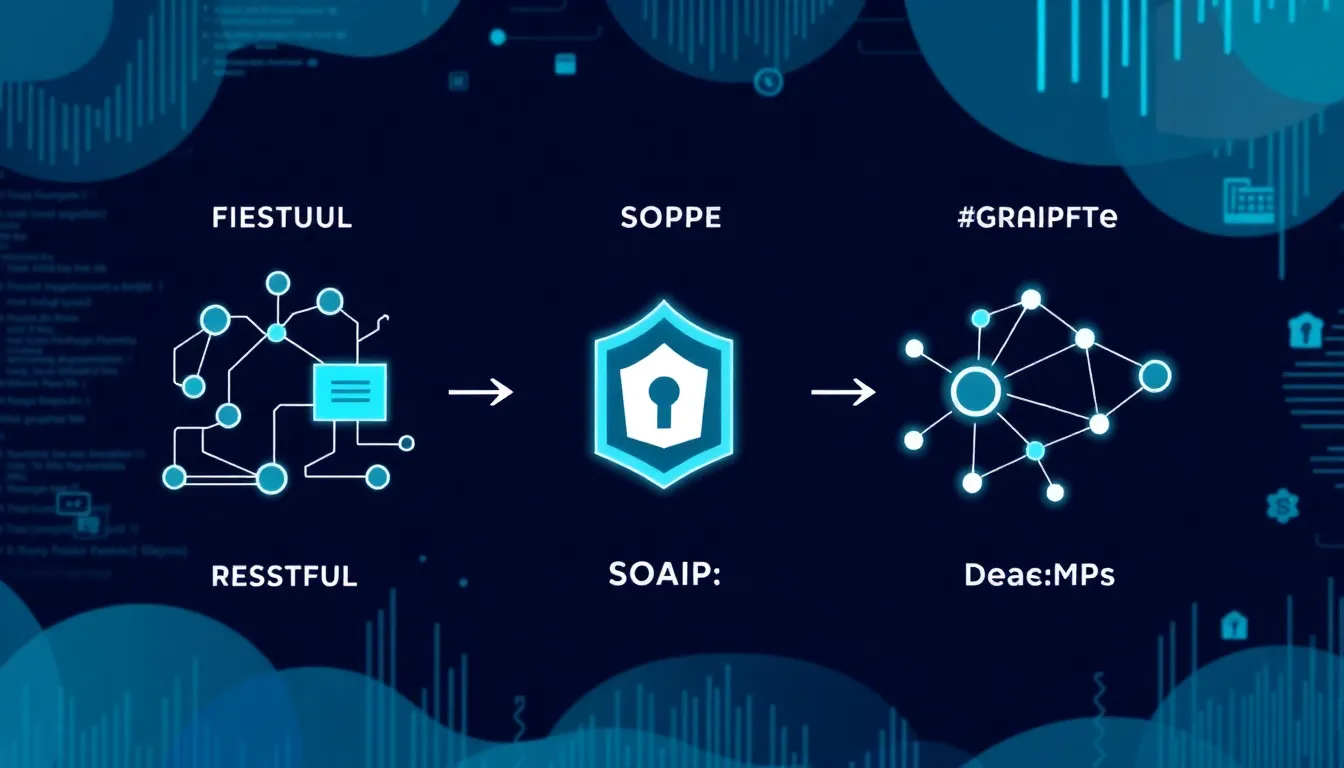
Different types of API calls exist, each serving unique purposes and functionalities.
RESTful API Calls
RESTful API calls follow a stateless architecture, making them lightweight and flexible. They use standard HTTP methods like GET, POST, PUT, and DELETE to perform operations. JSON typically formats the data, enhancing readability and ease of use. Developers expect RESTful APIs to be straightforward, allowing seamless communication between clients and servers. Common applications include retrieving user data from social media platforms or accessing product information from e-commerce websites.
SOAP API Calls
SOAP API calls utilize a protocol that relies on XML for message formatting. These calls emphasize security and reliability, supporting ACID properties, which ensure transaction integrity. Developers often choose SOAP for complex operations requiring robust error handling and security measures. Services like banking applications benefit significantly from SOAP’s structured and formal approach. Furthermore, SOAP APIs often require a WSDL (Web Services Description Language) file, detailing how to interact with the service.
GraphQL API Calls
GraphQL API calls allow clients to request specific data, reducing over-fetching or under-fetching of information. Clients provide queries to define the required fields, giving them control over the data received. This flexibility enhances efficiency, especially for applications with varying data needs. Companies like Facebook developed GraphQL to streamline data retrieval, making it especially useful in mobile applications. Its ability to aggregate data from multiple sources also stands out, making it a popular choice among developers.
How API Calls Work
API calls function through a systematic process, allowing applications to interact seamlessly. These interactions occur via a request and response mechanism.
Request and Response Cycle
The request and response cycle outlines how data travels during an API call. An application sends a request to an API endpoint, detailing what data or action it seeks. This request may include parameters for further customization. Upon receiving the request, the API processes it and formulates a response. The response often contains the requested data or an error message if something goes wrong. Each step is essential, as it ensures effective communication between the client and server.
Common HTTP Methods
Common HTTP methods represent how API calls operate under the hood. GET retrieves data from a server without modifying it, while POST sends data to a server, often creating new resources. PUT updates existing data, replacing it entirely, whereas PATCH modifies specific parts of a resource. DELETE removes resources from the server, changing the state of the application’s data. Understanding these methods clarifies how API calls perform different tasks efficiently.
Best Practices for Making API Calls
Making efficient API calls requires adherence to best practices that enhance performance and security. Following established guidelines ensures a smoother experience for users and developers alike.
Authentication and Security
Implementing proper authentication measures is critical for safeguarding API endpoints. Developers frequently use OAuth and API keys to control access, ensuring only authorized users can make requests. Strong encryption protocols like HTTPS should be mandatory, protecting data during transmission. Regularly rotating API keys minimizes risks of unauthorized access. Additionally, rate limiting can help mitigate the potential for abuse by restricting the number of requests a user can make in a given timeframe. Prioritizing these security practices fortifies the integrity of the application and its data.
Error Handling Techniques
Efficient error handling is essential for a seamless user experience while using APIs. Developers should implement consistent error codes to provide clarity on failures. Clear messages detailing the nature of the issue guide users toward resolving problems. Logging errors not only aids in debugging but also prevents future occurrences by identifying patterns. During API calls, employing retries with exponential backoff can help recover from transient errors. Ensuring meticulous documentation of error responses empowers developers to handle situations effectively, maintaining overall application reliability.
API calls are pivotal in shaping the digital landscape by enabling seamless communication between applications and services. They empower users to access real-time data and perform tasks effortlessly. Understanding the mechanics and types of API calls can enhance both user experience and developer efficiency.
By implementing best practices in security and performance, developers can ensure that their applications run smoothly and securely. As technology continues to evolve, staying informed about API calls and their significance will be essential for anyone looking to navigate the digital world effectively. Embracing this knowledge opens the door to innovative solutions and improved interactions across various platforms.


